Breast augmentation is a popular cosmetic surgery procedure for individuals looking to increase breast volume, improve breast proportions or restore fullness following pregnancy, breastfeeding or significant weight changes.
Whether you are interested in enhancing your natural shape, achieving greater breast symmetry or exploring breast implants for the first time, understanding your surgical options is an important part of the process.
At Canadian Plastic Surgery Centre in Toronto, Dr. Quinton Chivers takes an individualized approach to breast augmentation, considering each patient's anatomy, aesthetic preferences and desired results.
From selecting the appropriate breast implant to discussing surgical techniques and recovery expectations, the goal is to develop a treatment plan that reflects your individual needs.
If you are researching breast augmentation in Toronto, here is what you should know about the procedure, implant options and what to expect throughout your surgical journey.
What Is Breast Augmentation?
Breast augmentation, also known as augmentation mammoplasty, is a surgical procedure that increases breast volume and enhances breast shape using implants.
The procedure may be considered by individuals who:
- Naturally have smaller breast volume and would like fuller breasts.
- Have experienced a loss of breast fullness following pregnancy or breastfeeding.
- Have experienced changes in breast size following significant weight loss.
- Have differences in breast size or shape.
- Would like to improve overall breast proportions.
Breast augmentation can increase breast volume, improve projection and create greater balance between the breasts and the rest of the body.
However, successful surgical planning involves more than selecting a desired cup size. Factors such as chest width, existing breast tissue, skin elasticity and body proportions all influence which approach may be appropriate.
The right treatment plan should reflect your anatomy and aesthetic goals rather than following a one-size-fits-all approach.
Who Is a Good Candidate for Breast Augmentation?
Breast augmentation may be an option for individuals who are interested in increasing breast volume and improving their overall breast proportions.
Good candidates are generally in good overall health, have realistic expectations about surgical outcomes and understand the potential risks and long-term considerations associated with breast implants.
During your consultation, your surgeon will evaluate several factors, including:
- Existing breast volume and shape.
- Chest dimensions and body proportions.
- Skin elasticity and tissue characteristics.
- Breast symmetry and nipple position.
- Medical history and previous surgeries.
- Personal preferences and desired outcomes.
If you are planning a pregnancy, breastfeeding or significant weight changes, these factors may also influence the recommended timing of surgery.
A consultation with Dr. Chivers provides an opportunity to discuss your goals and determine whether breast augmentation is an appropriate option.
Understanding Your Breast Implant Options
One of the most important decisions during breast augmentation planning is selecting the appropriate implant.
Breast implants are available in different materials, sizes and profiles. The right choice depends on your anatomy, preferences and the results you hope to achieve.
Silicone vs. Saline Breast Implants
Two commonly discussed breast implant options are silicone and saline.
Silicone Breast Implants
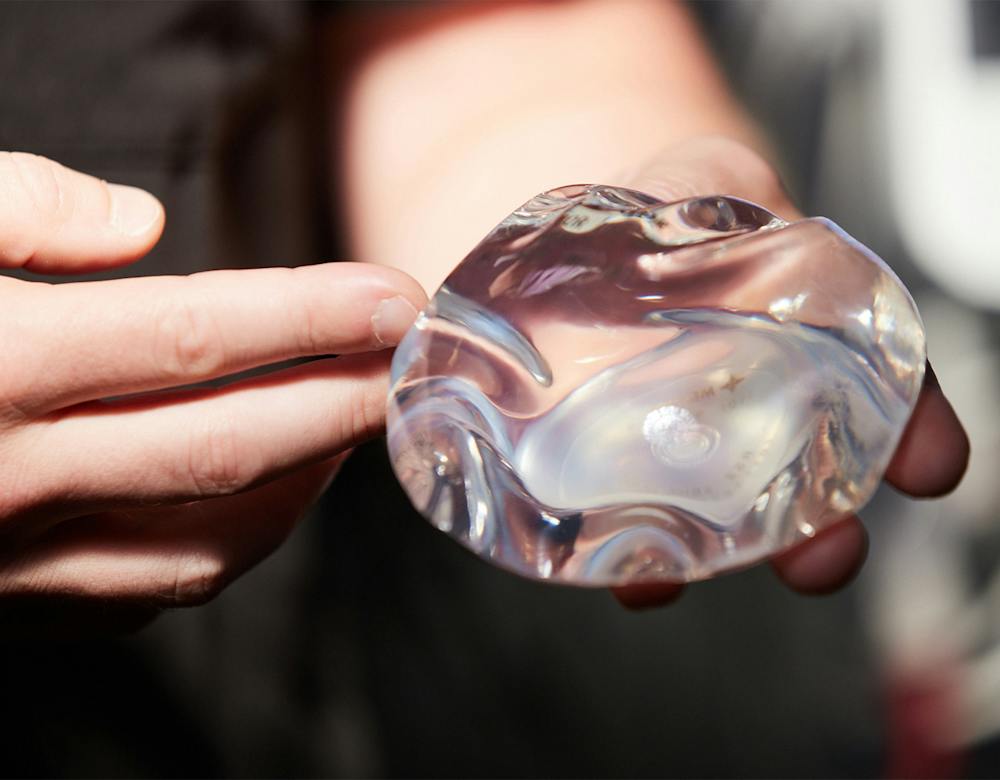
Silicone implants contain a cohesive silicone gel within a silicone outer shell. They are available in different sizes and profiles and are often selected by patients seeking a particular feel and breast shape.
Their characteristics can make them a suitable option for individuals looking for fuller breasts with a soft, natural-feeling implant.
Saline Breast Implants
Saline implants consist of a silicone outer shell filled with sterile saline solution.
They are typically filled after insertion, which can allow for a smaller incision in certain circumstances. If a saline implant ruptures, it deflates and the saline solution is absorbed by the body.
Both implant types have benefits and limitations. Your surgeon can discuss their characteristics, potential risks and available options to help you make an informed decision.
Choosing the Right Breast Implant Size and Profile
Selecting breast implants involves more than choosing a particular volume or cup size.
Implant size, width, projection and profile all contribute to the final appearance.
Your existing breast tissue, chest width and body proportions are important considerations when determining which implant may be appropriate.
During your consultation, Dr. Chivers will discuss your desired outcome and evaluate your anatomy to help establish realistic expectations.
The objective is to select an implant that complements your natural proportions while addressing your individual aesthetic goals.
Where Are Breast Implants Placed?
Another important consideration during breast augmentation is implant placement.
Depending on your anatomy, implant characteristics and desired outcome, implants may be positioned above or below the pectoral muscle.
Above the Chest Muscle
Subglandular placement positions the implant behind the existing breast tissue but in front of the pectoral muscle.
This approach may be appropriate for individuals who have sufficient breast tissue to provide coverage over the implant.
Below the Chest Muscle
Submuscular placement positions the implant partially or fully beneath the pectoral muscle.
This can provide an additional layer of tissue coverage over the implant and may be recommended depending on your existing breast tissue and surgical goals.
Neither approach is universally better. Your surgeon will consider your anatomy, implant selection and desired results when recommending an appropriate placement technique.
Breast Augmentation vs. Breast Augmentation with a Lift
Not everyone looking to enhance their breasts requires the same surgical procedure.
While breast augmentation increases breast volume, it does not independently correct significant breast sagging or reposition the nipples.
For individuals experiencing changes in breast position or skin elasticity, combining breast augmentation with a breast lift may be an option.
- Breast Augmentation: Uses implants to increase breast volume, improve fullness and enhance breast proportions.
- Breast Lift (Mastopexy): Removes excess skin and repositions breast tissue and the nipple-areola complex to improve breast position and contour.
Combining the procedures may be appropriate for individuals who want to restore breast volume while also addressing sagging.
This is particularly relevant following pregnancy, breastfeeding or significant weight loss, when changes in both breast volume and skin elasticity may occur.
Your surgeon can assess your breast anatomy and discuss whether augmentation alone or a combination procedure may better address your goals.
How Weight Changes Can Affect Breast Augmentation
Changes in body weight can influence breast volume, shape and skin elasticity.
This is an important consideration for individuals who have experienced significant weight loss or are currently working toward a weight-management goal.
Following weight loss, some individuals experience reduced breast volume or additional skin laxity. These changes may influence their interest in breast augmentation, breast lift surgery or a combination of procedures.
Why Weight Stability Matters Before Surgery
Maintaining a relatively stable weight before elective breast surgery can help support more predictable surgical planning.
Significant weight changes following breast augmentation may affect the surrounding breast tissue and alter the appearance of your results.
This does not mean everyone needs to reach a particular weight before considering surgery. However, if you are actively pursuing weight loss, it is worth discussing the timing of breast augmentation with your surgeon.
Exploring Medical Weight Management at Canadian Plastic Surgery Centre
For individuals looking for additional support with their weight-management goals, Canadian Plastic Surgery Centre also offers a Weight Loss Clinic.
The clinic provides medically guided weight-management support for eligible patients.
For some individuals considering breast augmentation, weight management may be part of a broader approach to achieving their desired body proportions.
Breast augmentation and medical weight management are separate services, but both may be relevant when planning changes to your overall appearance.
If weight loss is part of your current goals, our team can help you explore the available resources and determine what steps may be appropriate for your circumstances.
LEARN MORE ABOUT OUR WEIGHT LOSS CLINIC
What to Expect During Breast Augmentation Surgery
Breast augmentation is typically performed under general anesthesia, with the procedure generally taking approximately one to two hours.
The specific surgical approach depends on your individual treatment plan.
An incision is commonly made along the natural crease beneath the breast, known as the inframammary fold. This provides access for creating the implant pocket and positioning the implant.
Once the implant is positioned, the incisions are closed and appropriate dressings or surgical support garments are applied.
Many patients are able to return home on the same day, depending on their recovery and surgical assessment.
Before proceeding, your surgeon will explain the procedure, review the potential risks and discuss what you can expect before, during and after surgery.
What Is Breast Augmentation Recovery Like?
Recovery following breast augmentation varies depending on the surgical technique, implant placement and individual healing process.
Some swelling, bruising, soreness and tightness are common during the initial recovery period.
Following surgery, patients are generally advised to:
- Wear their recommended surgical support garment.
- Avoid strenuous exercise and heavy lifting.
- Follow all medication and incision-care instructions.
- Arrange for assistance at home immediately following surgery.
- Attend scheduled postoperative appointments.
- Gradually return to regular activities as directed by their surgeon.
Many patients gradually resume light daily activities as their recovery progresses. However, returning to exercise and other strenuous activities should be guided by your surgeon.
Although changes in breast volume are immediately noticeable, the breasts will continue to settle as swelling subsides and the surrounding tissues adjust.
Following postoperative instructions and attending follow-up appointments are important for monitoring your healing and long-term results.
How Long Do Breast Implants Last?
Breast implants are not considered lifetime medical devices.
Although many patients have implants for years, complications, changes in breast appearance or personal preferences may eventually result in additional surgery to remove or replace them.
Potential complications associated with breast implants include:
- Implant rupture or leakage.
- Capsular contracture, which occurs when scar tissue surrounding an implant tightens or hardens.
- Infection or bleeding.
- Changes in breast or nipple sensation.
- Implant displacement or changes in breast appearance.
- The potential need for revision surgery.
There are also rare implant-associated conditions, including breast implant-associated anaplastic large cell lymphoma (BIA-ALCL), that patients should understand before proceeding.
Patients should discuss implant-specific risks, recommended monitoring and long-term considerations with their surgeon.
Why Choose Dr. Quinton Chivers for Breast Augmentation in Toronto?
Choosing a plastic surgeon is one of the most important decisions in your breast augmentation journey.
Dr. Quinton Chivers is a board-certified plastic surgeon and the Medical Director of Canadian Plastic Surgery Centre.
His practice includes breast surgery, aesthetic procedures and body contouring, with an emphasis on individualized treatment planning.
At Canadian Plastic Surgery Centre, patients have the opportunity to discuss their aesthetic goals, explore surgical options and receive recommendations based on their individual anatomy.
Whether you are considering breast augmentation alone, breast augmentation with a lift or surgery following significant weight loss, understanding your options is an important first step.
Your consultation is an opportunity to ask questions, discuss expectations and learn about the benefits, limitations and risks of the available procedures.
Book Your Breast Augmentation Consultation in Toronto
If you are considering breast augmentation, a consultation can help you understand which surgical options may be appropriate for your goals.
Whether you are interested in increasing breast volume, restoring fullness following pregnancy or weight loss, or improving overall breast proportions, Dr. Quinton Chivers and the team at Canadian Plastic Surgery Centre can help you explore your options.
Every patient has different anatomy, preferences and expectations. Your surgical plan should reflect those differences.
Take the next step toward understanding your options.
Contact Canadian Plastic Surgery Centre to arrange a breast augmentation consultation with Dr. Quinton Chivers in Toronto.
Canadian Plastic Surgery Centre
Toronto, Ontario